Home › Industrial and Heavy-Duty Asphalt Paving
Handle heavy loads with industrial asphalt paving in Henderson, NV. We engineer thick, stable pavement sections for truck yards, loading docks, and warehouse aprons. Our designs account for axle loads, turning movements, and drainage so your surface stands up to demanding traffic.
Precision Asphalt Henderson provides professional industrial asphalt paving throughout Henderson, NV, Nevada and the surrounding area. Our licensed, insured crew delivers safe, clean, on-time work with a free estimate before anything begins. Call (702) 707-5043 or request your free quote.
Industrial Asphalt Paving for Henderson’s Hard‑Working Sites
Industrial asphalt paving in Henderson, NV has to handle far more than commuter traffic. At Precision Asphalt Henderson, we design and build pavements that take constant truck loading, forklift traffic, heavy equipment, fuel spills, and the extreme Mojave temperature swings. That means different mixes, thicker sections, and stricter construction methods than a standard parking lot.
We work on distribution centers along I‑515, manufacturing yards in East Henderson, utility and municipal service yards, trucking and logistics terminals, fuel and freight depots, and industrial HOA common areas. Each site has its own load patterns, turning radii, and drainage challenges. Our approach is to map those conditions in detail, then engineer a pavement structure that keeps rutting, shoving, and surface raveling under control for the long term.
When you call Precision Asphalt Henderson, we are not just quoting a blacktop surface. We are designing a layered system from compacted subgrade through aggregate base to the right industrial asphalt mix and any reinforcement or surface treatments needed to handle your operations.
How We Engineer Heavy‑Duty Pavement Structures
For industrial asphalt paving, the most important decisions are made before the first truck arrives. We start with a site evaluation that looks at subgrade soil type, existing base condition, groundwater, and traffic loading. In Henderson, many industrial sites are built on variable desert soils with pockets of expansive clays and imported fill, so we test bearing capacity instead of guessing.
Next, we calculate pavement thickness based on your actual traffic. A light industrial warehouse with daily box truck deliveries might be designed with 4 inches of hot mix over 6 inches of base. A trucking terminal or bus depot may require 6 to 7 inches of asphalt over 8 to 12 inches of base, or a full‑depth asphalt design where the entire structure is asphalt with no granular base. We also look at channelized loading areas, like dock approaches and fueling lanes, which often need thicker or stiffer sections than the rest of the yard.
We then select the mix. For heavy duty areas, we typically specify a dense graded mix with a higher percentage of crushed aggregate and a performance graded binder suited to Henderson’s heat. For high stress turning zones, we may specify a mix with a higher binder content or polymer modified binder to resist rutting and shearing. All of this is laid out in a written proposal so you know exactly what structure is being built and why.
Construction Process, Step by Step
On industrial and heavy‑duty projects, sloppy construction shows up quickly as ruts, pumping, and potholes. Precision Asphalt Henderson follows a controlled process so your pavement performs under real loads.
1. Site preparation and demo: We remove existing asphalt or concrete, haul off unsuitable material, and scarify soft subgrade. On older Henderson industrial parks, we often find thin legacy pavement over poor fill. In those cases we undercut soft spots and replace them with compacted aggregate or engineered fill.
2. Subgrade stabilization: Where soils are weak, we may proof‑roll with loaded trucks to locate failures, then stabilize with additional base, geogrid reinforcement, or cement treated subgrade. This is critical in truck yards where wheel loads repeatedly follow the same paths.
3. Aggregate base installation: We install and grade Type II or specified aggregate base to the designed thickness, then compact in controlled lifts. Laser or GPS grading is used on larger yards to maintain proper slopes for drainage so water does not pond in traffic lanes.
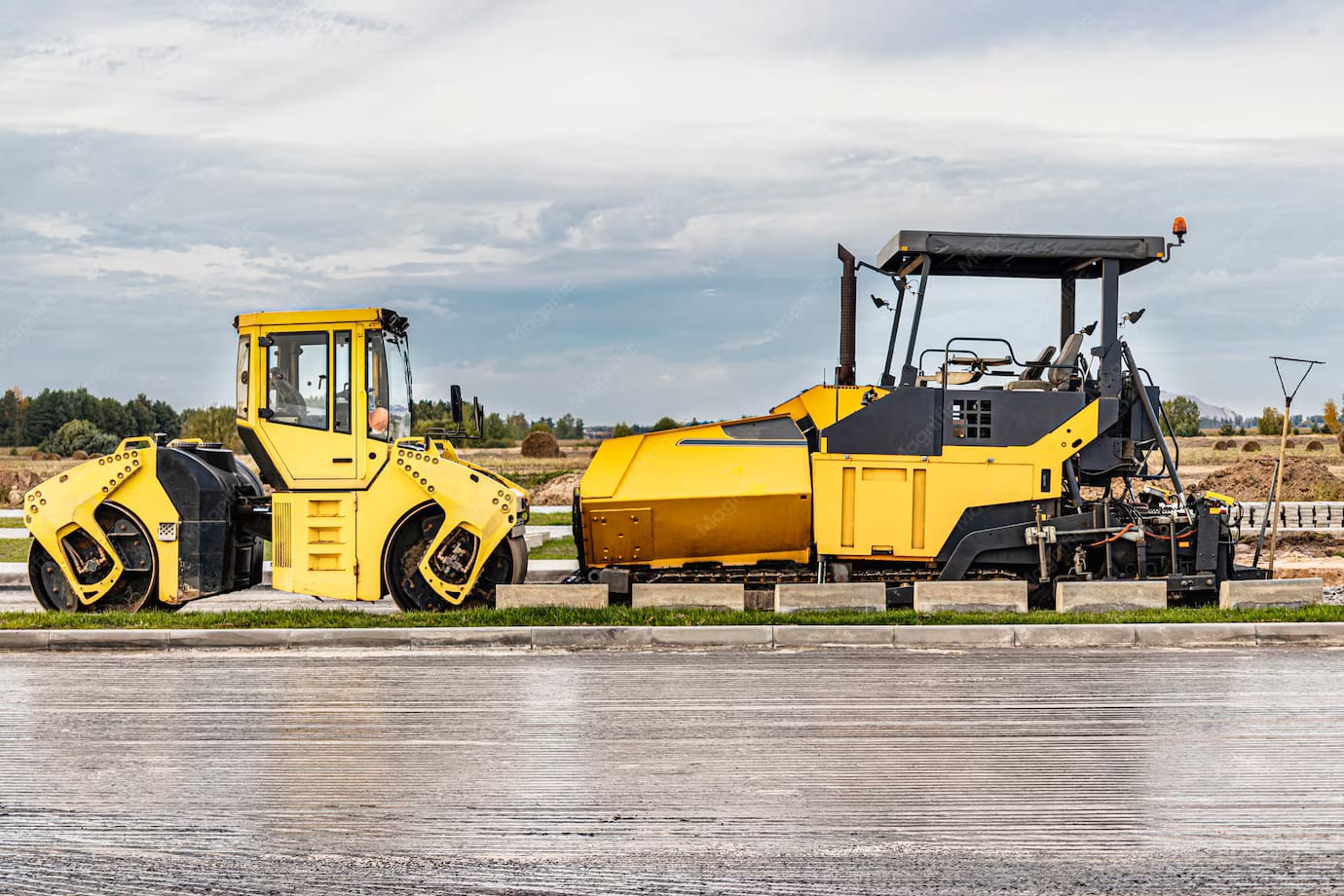
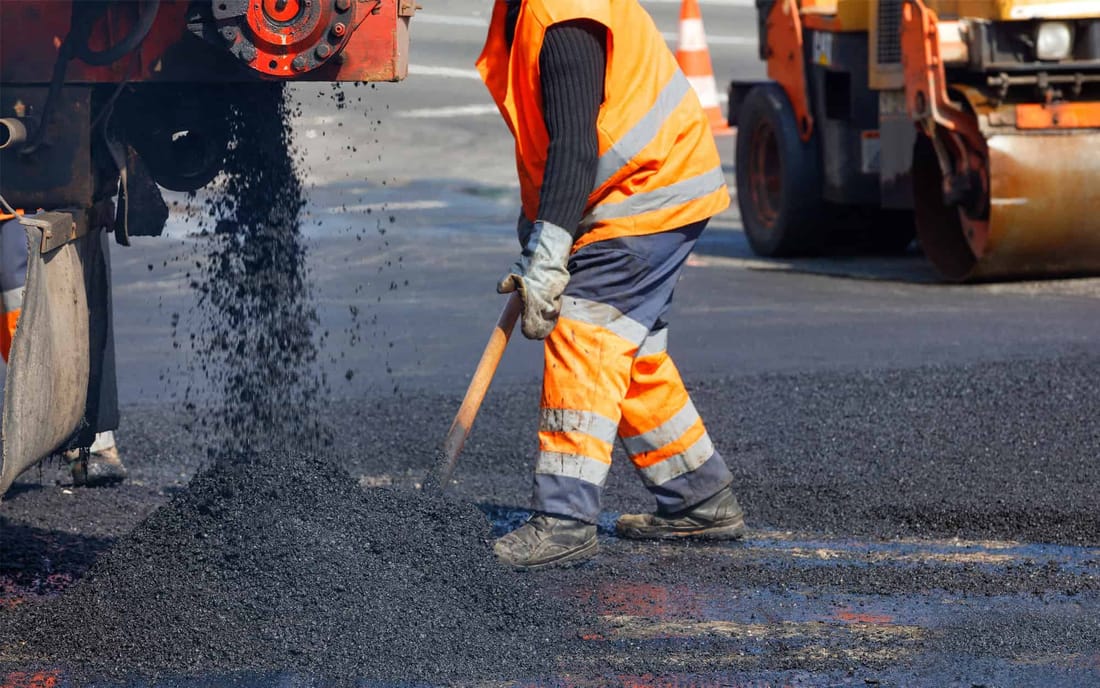
4. Asphalt placement: Industrial work often uses multiple asphalt lifts. For example, two 3‑inch lifts instead of a single 6‑inch placement. This improves density and bonding. We place with a paver, never just blade and roll, and compact using a rolling pattern verified with on‑site density testing.
5. Joints, edges, and transitions: Where asphalt meets concrete aprons, trench repairs, or rail crossings, we pay close attention to joints so there are no bumps that damage forklifts or pallet jacks. We also reinforce edges in areas where trucks run close to the pavement limits.
Material Options and Design Choices for Heavy Use
Not every square foot of your site needs the same heavy‑duty mix or thickness. Smart design can control costs while still protecting high stress areas. Precision Asphalt Henderson walks you through options instead of defaulting to a one‑size‑fits‑all section.
Structural thickness: We often design variable thickness sections, with heavier pavement at dock aprons, trash enclosures, and primary truck lanes, and standard commercial sections in overflow parking or low‑use areas. This targets your budget where it matters most.
Mix selection: In addition to standard dense graded industrial mixes, we can provide high performance options, such as polymer modified asphalt for high temperature rut resistance, stone mastic asphalt for extreme loading zones, or open graded friction courses in areas where skid resistance is critical. For fuel and solvent exposure, like at fuel farms or maintenance yards, we can combine asphalt with protective surface treatments or utilize reinforced concrete pads in the highest risk spots tied into the surrounding asphalt.
Drainage and grades: In Henderson’s summer monsoons, poorly drained industrial yards quickly develop standing water that weakens the base and creates safety issues. We use cross slopes, valley gutters, and added inlets where needed so water has a defined path off the pavement rather than pooling in rutted wheel paths.
What Drives Cost on Industrial Asphalt Paving Projects
Understanding cost drivers helps you compare bids on more than just price per square foot. With industrial asphalt paving, the cheapest number often hides shortcuts that shorten pavement life.
Existing conditions: Removing thick concrete, poor subgrade that requires stabilization, or extensive patching of failed areas will increase upfront cost but often saves you from early structural failures. We identify these items during our site walk and testing, and show them as line items so you see where the money goes.
Thickness and base quality: Additional inches of asphalt or base aggregate are a major cost factor. However, once you cross a certain traffic threshold, trying to save by thinning the section nearly always results in premature rutting and reconstruction. We explain the life cycle tradeoff of thicker sections so you can make an informed decision.
Access and phasing: In active facilities in Henderson, like 24‑hour logistics centers along the Beltway, we often phase work so operations can continue. Night or weekend work, traffic control, and temporary access paths add cost but prevent shutdowns. We help you plan phasing so the paving crew and your operations team are not in conflict.
Specification and testing: Quality control items such as density testing, mix design verification, and proof‑rolling add modest cost but are critical for industrial loads. We include these in our pricing and can build to municipal or private engineering specifications when required.
Common Industrial Pavement Problems We Solve
Industrial pavements in Henderson tend to fail in predictable ways, especially when original construction was set up for car traffic rather than heavy trucks. Precision Asphalt Henderson is often brought in to fix these issues and design improvements so they do not return.
Rutting and shoving in wheel paths: Heavy trucks turning into docks or running the same lines at terminal entrances cause depressions and lateral movement of the asphalt. We address this with stronger mixes, added thickness, and sometimes reinforcing grids. For existing pavements, we mill out the rutted lanes and replace them with heavy duty sections rather than simply overlaying and trapping the problem.
Edge failure: Where trucks drive right to the pavement edge, the unsupported side breaks apart. We combat this with thicker edge sections, buried curb or edge restraints, and layout adjustments that keep wheels away from fragile edges.
Oil and fuel damage: In maintenance yards and fueling areas, leaked fluids soften asphalt and accelerate raveling. We can reconstruct these areas with more resistant surface mixes, integrate concrete pads in fueling islands and under parked equipment, and recommend maintenance practices such as regular degreasing and seal treatments where appropriate.
Drainage‑related base failure: When water infiltrates through cracks and ponds in low spots, base layers lose strength and pumping and potholes follow. Our repairs focus on restoring proper slope, improving joints around inlets, and using crack control strategies so water stays out of the structure.
Planning Your Project With Precision Asphalt Henderson
For industrial and heavy‑duty asphalt paving to succeed, the work has to fit your operations. We begin with a planning meeting that includes your facility manager or operations supervisor. Together we map truck routes, high priority access points, and blackouts when certain areas must remain open. From there, we create a phasing plan that minimizes disruption while allowing our crews room to work safely and efficiently.
Our proposals for Henderson clients are detailed. You will see pavement sections by area, mix types, thicknesses, and any stabilization measures, not just a single square foot price. We can coordinate with your engineer or provide design‑build services when you want one point of responsibility. For facilities subject to inspections or corporate standards, we document materials and compaction results so you have a clear record of what was built.
If you are considering an overlay instead of full reconstruction, we evaluate whether your existing base can support continued industrial loading. In some Henderson industrial parks, strategic full‑depth reconstruction in high stress areas combined with overlay in lighter duty zones provides a cost‑effective compromise.
When you are ready to look at industrial asphalt paving for a new site or a failing yard, Precision Asphalt Henderson is ready to walk the site, review your loading needs, and deliver a pavement plan that reflects the real demands of your operation and the realities of Henderson’s climate.