Home › Commercial Gravel-to-Asphalt Conversions
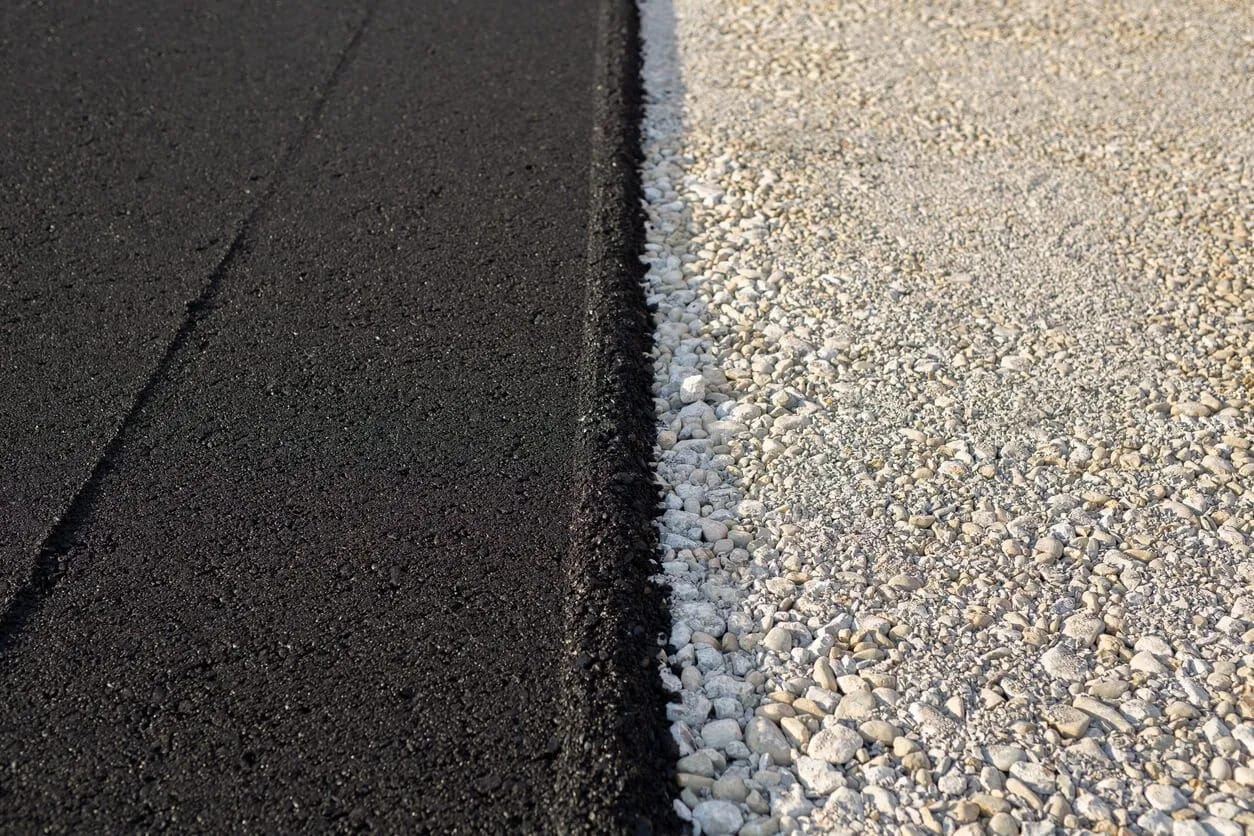
Upgrade gravel and dirt surfaces with commercial gravel to asphalt conversions in Henderson, NV. We regrade and compact existing lots or drives, then install durable asphalt for cleaner operations. Ideal for customer parking, storage yards, and access roads that need less dust and mud.
Precision Asphalt Henderson provides professional commercial gravel to asphalt throughout Henderson, NV, Nevada and the surrounding area. Our licensed, insured crew delivers safe, clean, on-time work with a free estimate before anything begins. Call (702) 707-5043 or request your free quote.
Commercial Gravel-to-Asphalt Conversions in Henderson, NV
If your parking lot or drive lanes are still gravel, you already know the headaches: dust clouds in the summer, ruts after a storm, and constant grading just to keep things usable. Precision Asphalt Henderson focuses on commercial gravel-to-asphalt conversions that turn those problem areas into clean, durable paved surfaces that are easier to maintain and better for your customers.
In Henderson, the combination of heat, wind, and occasional heavy downpours is tough on gravel. Fine aggregate blows away, washboards form in drive aisles, and trucks track loose rock into buildings and loading areas. Converting to asphalt solves most of these issues, but it has to be done correctly or you can end up with soft spots, standing water, and premature cracking. Our crew looks at your existing gravel base, drainage patterns, and traffic loads before we ever talk about mix types or final striping.
Commercial properties in the Las Vegas Valley also have specific needs: clear fire lanes, ADA-compliant routes, and enough structural strength for delivery trucks or waste trucks. When Precision Asphalt Henderson designs a gravel-to-asphalt conversion, we make sure the finished lot meets local code and actually fits how your site is used day to day. That practical, site-specific planning is what keeps your new pavement from failing in a couple of years.
How We Convert Commercial Gravel Lots to Asphalt
A proper commercial gravel-to-asphalt conversion is more than just paving over what is there. We follow a step-by-step process that is tailored to Henderson soils and traffic conditions.
First, we walk the site and probe the existing gravel and subgrade. We look for pumping spots, standing water, areas where trucks rut the surface, and any evidence of underground utilities or shallow drainage structures. If the subgrade is soft or unstable, simply adding asphalt will not work. In those cases we may recommend undercutting problem areas, installing geotextile fabric, or importing additional base material.
Next, we shape and compact the base. Using graders and compactors, we set correct slopes so water moves toward inlets or out to the street, usually aiming for at least 1.5 to 2 percent fall where feasible. In Henderson clay pockets are common. We may treat those areas differently, sometimes with thicker base rock or more passes with the roller. Our goal is a tight, well-bonded base that meets density targets so the asphalt has a solid foundation.
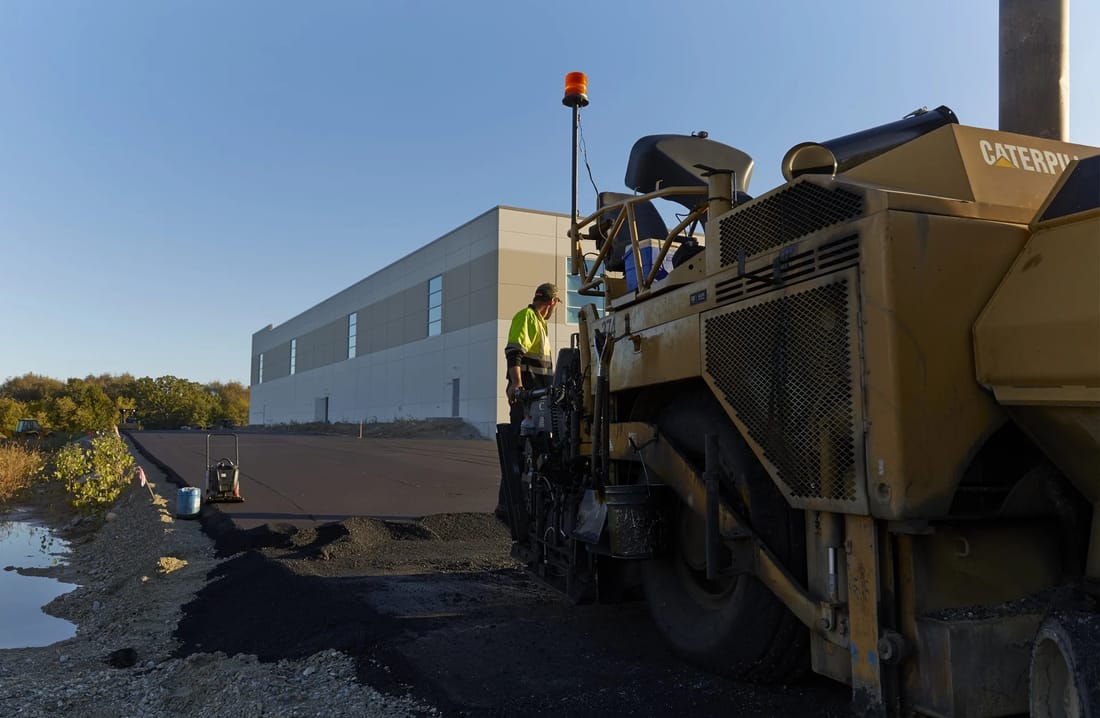
Once the base is ready, we install the asphalt in one or more lifts. For light car parking we typically recommend 2.5 to 3 inches of hot mix asphalt over a well-compacted base. For drive lanes, trash enclosure areas, or loading zones where heavy trucks turn or sit, we will usually increase total thickness to 3.5 to 4 inches and may use a stronger mix design. We place the asphalt while it is at the right temperature, then compact it with steel and pneumatic rollers to remove air voids and lock in durability.
Finally, we handle finishing details: saw-cut transitions to existing pavement or concrete, striping of stalls and fire lanes, wheel stops where needed, and signage. For many Henderson projects we schedule the work in phases so you can keep part of the lot open for customers or tenants, coordinating closures with your peak business hours to reduce disruption.
Site Design, Drainage, and Mix Options That Work in Henderson
Good commercial gravel-to-asphalt conversions start on paper. Precision Asphalt Henderson reviews your traffic flow, building entrances, loading docks, and drainage before we finalize a plan. Many older gravel lots were never graded with precise slopes, so ponding areas are common. We re-contour the base to improve drainage and, if needed, adjust inlet elevations or add valley gutters to move water where it can safely go.
In Henderson, flash storms can drop a lot of water in a short time, then the pavement dries quickly under intense sun. That cycle is hard on weak asphalt and on lots with poor drainage. For most commercial sites we recommend dense-graded hot mix asphalt that stands up to both UV exposure and occasional standing water. In high-heat areas near reflective glass or equipment yards, we may lean toward slightly stiffer mix designs to resist rutting.
You also have options in how the surface is finished. For retail and office parking we typically aim for a smooth, tight surface that is easy for customers using carts or mobility aids. For utility yards or areas with frequent turning of heavy equipment, we may roughen the surface slightly to improve traction. If your gravel lot currently has informal parking, this is the time to lock in a better layout: stall counts, ADA spaces, drive aisle widths, and truck paths that reduce backing and tight turns.
Local experience matters. Henderson soils can change within a single property, from firm, granular areas to pockets of expansive clay. Our crews are used to finding those transitions during excavation and compaction, then adjusting the section where needed so you do not end up with one corner of the lot failing early. That on-the-ground knowledge is one of the key differences when you work with a local paving contractor instead of a traveling outfit.
Cost Drivers and Common Problems With Gravel-to-Asphalt Projects
Many commercial owners call us asking for a quick square-foot price for gravel-to-asphalt work. While we can give ballpark ranges, the real cost in Henderson is driven by a few specific factors: how strong your existing base is, how much regrading is needed for proper drainage, the thickness of asphalt required for your traffic, and site access for trucks and equipment.
If your existing gravel is clean, thick, and already reasonably well compacted, we may be able to reuse most of it as part of the base, which keeps costs lower. If the lot has years of fines, organics, or poor-quality fill mixed in, we may need to remove and replace sections. This is why our initial site walk is so detailed: it lets us give you a realistic proposal and avoid large change orders later.
Common problems we are hired to correct on poorly done conversions include thin sections in truck lanes, lack of a defined edge so the pavement breaks away along the sides, and missed drainage that leaves ponds in front of doors or at low points. Precision Asphalt Henderson addresses these issues from the start by specifying thicker asphalt where trucks travel, using properly compacted edges or concrete borders where appropriate, and checking grades with laser or GPS equipment during base prep.
Permitting and compliance can also affect cost and schedule. Certain commercial conversions may trigger City of Henderson requirements for striping, accessible parking, or stormwater management. We are familiar with local codes and typical inspector expectations, which helps avoid delays and last-minute changes. During planning we will explain where code requirements might influence the layout, such as adding ADA routes from accessible stalls to building entrances.
For budgeting, many property managers in the Henderson area plan gravel-to-asphalt conversions in phases. We can break large lots into sections completed over multiple fiscal years, prioritizing high-visibility customer parking first and then moving to back-of-house or storage areas later. This approach spreads cost without sacrificing the overall quality of the finished pavement.
What Henderson Property Owners Should Know Before Hiring
Before you commit to a commercial gravel-to-asphalt conversion, there are a few practical steps that will protect your investment. First, insist on a site visit and written scope of work that clearly states proposed asphalt thicknesses, base preparation steps, and how drainage will be handled. Any quote that only lists a total price per square foot without these details is hard to compare and can hide corners being cut.
Second, ask how the contractor will manage access and business continuity. At Precision Asphalt Henderson, we coordinate with property managers to schedule work in sections, set up temporary signage and barricades, and keep clear routes for deliveries and emergency access. For retail or medical sites, we typically recommend weekday work outside peak hours or weekend phases, depending on your traffic patterns.
Third, review warranty terms and maintenance recommendations. A quality gravel-to-asphalt conversion should not need structural work for many years if it is built correctly and maintained. We walk clients through realistic expectations: when to consider sealcoat, how to handle oil spills, and how to keep drains clear so water does not sit on the surface. We also explain what kinds of damage are normal from heavy trucks and how to plan for periodic localized repairs.
Finally, verify that your contractor is familiar with Henderson and Clark County requirements, carries proper insurance, and can provide references for similar commercial conversions, not just new construction paving. Precision Asphalt Henderson is glad to point you to completed local projects so you can see how our work holds up in real conditions. When you are ready to look at converting your gravel lot to asphalt, we can start with a straightforward on-site evaluation and a clear, detailed proposal tailored to how your property operates.